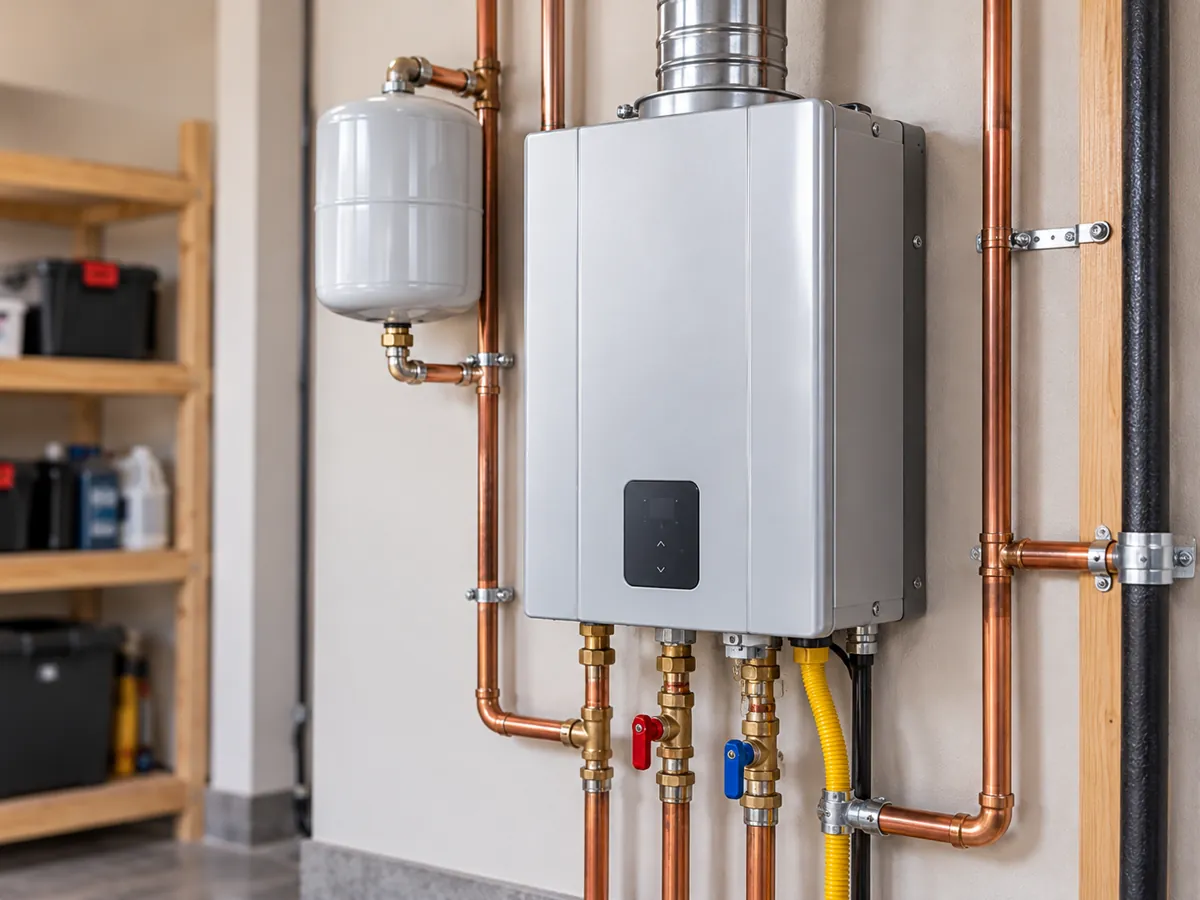
Compare systems beyond purchase price
Gas and electric appliances have different utility and installation requirements. Storage and tankless technologies differ in how hot water is supplied and how peak demand is handled. Choosing among them requires household usage and local utility information.
Repair versus replacement
An otherwise healthy appliance with a serviceable fault may be worth repairing. A failing tank, recurring costly repair or change in demand can favor replacement. Compare total installed cost and estimated use, not just equipment labels.
Questions to ask
What size is suitable? Will utilities or venting need upgrades? What maintenance is required? Are service parts accessible? A qualified professional can help answer these using the actual property and model.
Frequently asked questions
Is gas better than electric? Neither is universally better; utility pricing, equipment needs and installation costs differ. Is tankless better than traditional? That depends on flow needs, site constraints, budget and long-term ownership expectations.
Related questions and searches
People looking into this topic may also search for gas vs electric water heater, tankless vs traditional water heater, water heater repair vs replacement. These terms describe related needs and may call for different equipment assessments.
Explore related water heater services
- Tankless Water Heater Repair →
- Water Heater Installation →
- Water Heater Replacement →
- Emergency Water Heater Repair →
- Conventional Water Heaters →
Discuss your water heater issue
Request information about next steps for your Carrollton address.
Choose using actual household demand
Storage water heaters offer a ready reserve of hot water, while tankless units deliver hot water as it is used within a rated flow and temperature rise. Gas and electric systems differ in utility requirements and installation constraints. Consider simultaneous fixture demand, incoming water temperature and available fuel supply.
The installation may outweigh the appliance price
Converting from one technology to another may require venting upgrades, gas-piping changes or electrical work. A meaningful comparison includes these costs and ongoing maintenance, not simply the sticker price.